













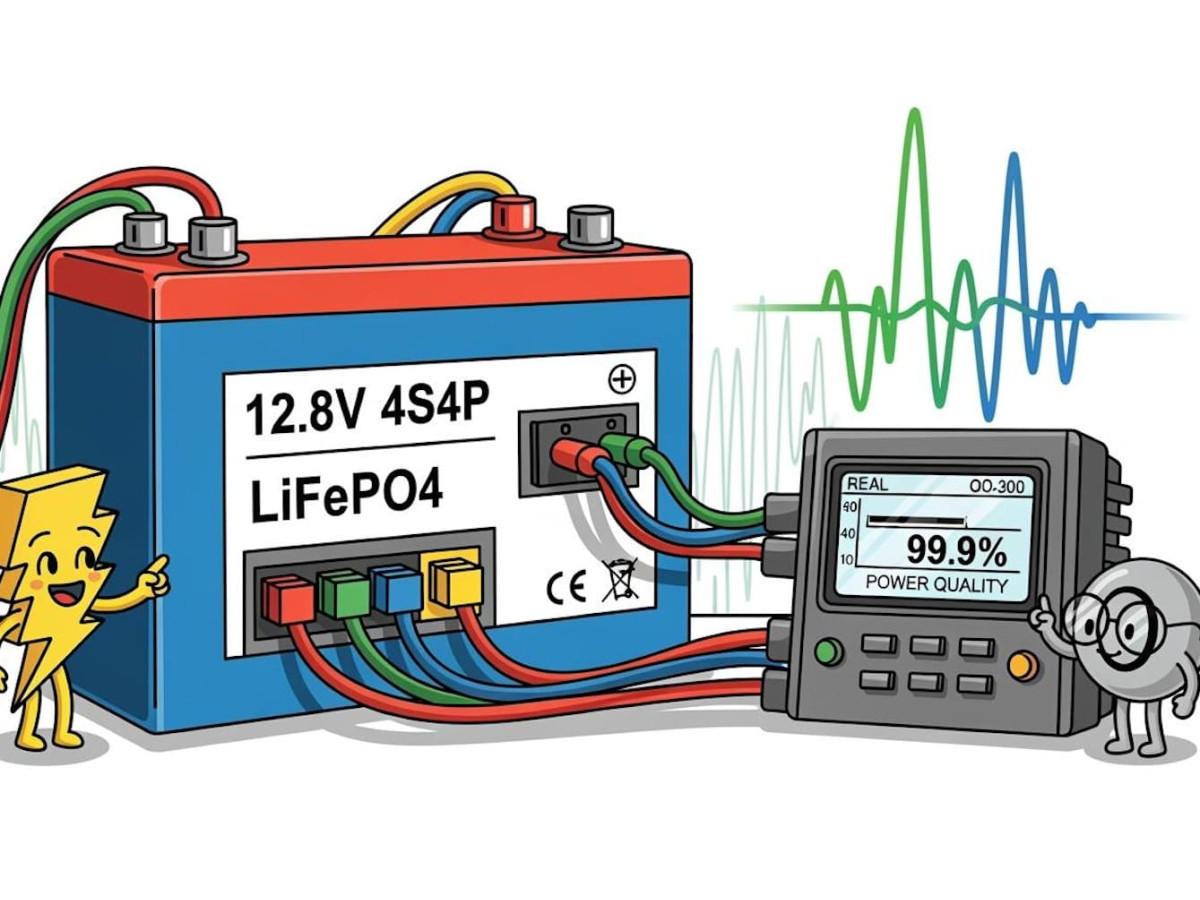
Resource, charging and self-discharge of LiFePO4: what you need to know
In several cycles of energy LiFePO4?
The recently declared durability of cast-iron-phosphate batteries is 3,500 charge-discharge cycles without costs. One of the specific models can vary from 2000 to several tens of thousands of cycles. In fact, significant degradation (that is, a gradual change in capacity) begins after 7–10 years of regular use. An important point is to observe the charging rules and the charging mode.
How much is the card you want?
LiFePO4 is very dangerous for a lead-acid battery (SLA). Although they serve 7-10 times earlier. As for classic Li-Ion, it is important here: durability is achieved with a smaller increase in power.
What is the correct voltage to charge LiFePO4?
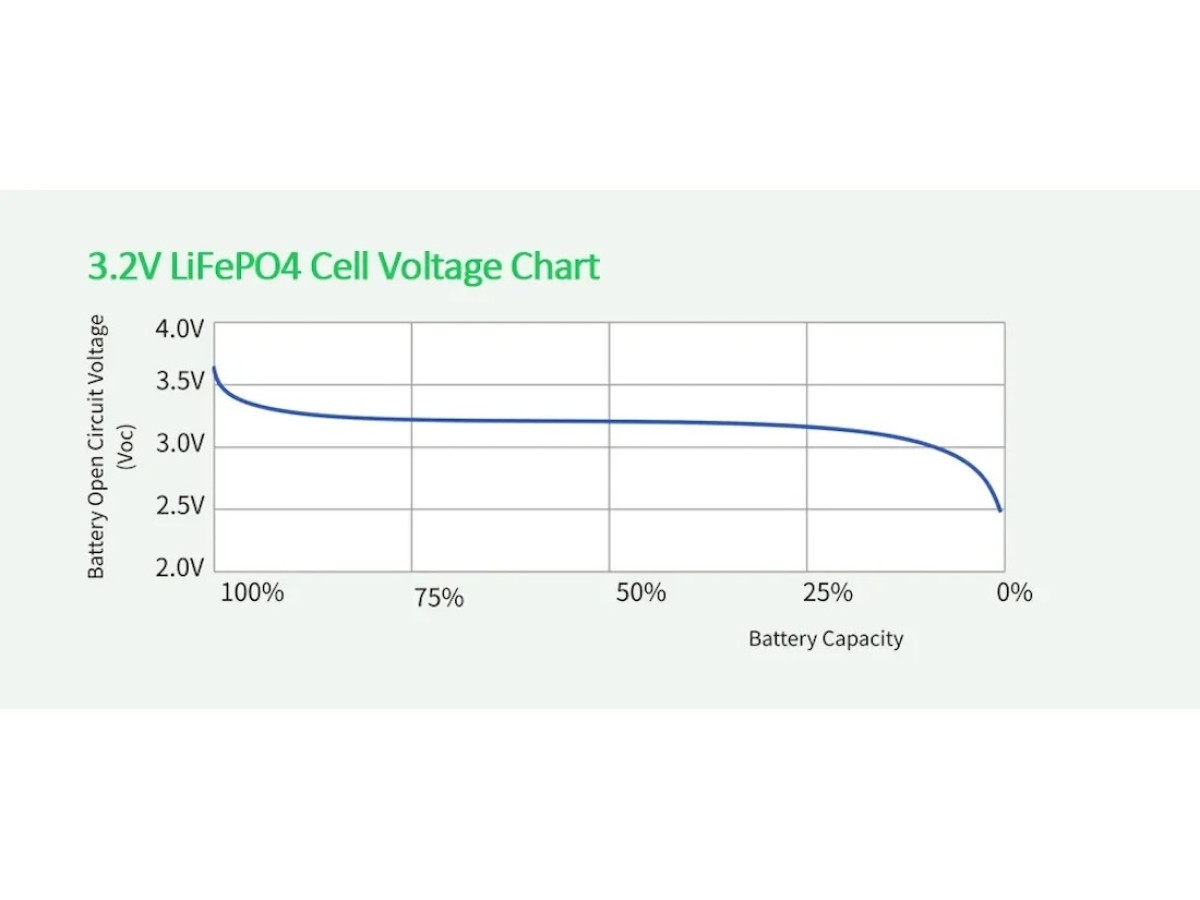
The optimal load per element is 3.6 V (maximum is 4.2 V).
- For a 12-volt battery (4 cells in series): the preferred range is 14.2–14.6 V (3.6 × 4 = 14.4 V).
- For 24-volt (8 cells): usually 28.4–29.2 V.
The charging process itself can consist of two phases:
- Direct current — the voltage is smoothly progressing to a given voltage.
- Constant voltage - the sound gradually decreases (in the final - to ~2 A).
Important warning: this is technical information that does not require connection, and you use the charger in ready mode for LiFePO4 or in uninterruptible power supply (UPS) mode, as well as "smart" phosphate-type batteries.
What is the self-discharge in LiFePO4?
This is one of the strongest points of the technology: the speed of self-discharge is the highest among analogues. Specific numbers have to be counted from the batteries, but the general term is as follows:
- at room temperature, the self-discharge does not exceed 3% per month (voters often give this figure from the reserve).
- in practice, cost ideas contribute more than 3–5% of the cost of taking money.
To what voltage can LiFePO4 be discharged?
Cast-iron-phosphate technology is notable for supporting a high depth of battery discharge without reducing reliability. Yes, it is LiFePO4 that can be operated to the lowest voltage indicators against the background of analogues (lithium-ion and especially lead-acid batteries).
- The permissible minimum voltage is usually in the range from 2.2 to 2.8 V per element. Accordingly, for 12-volt batteries of standard assemblies (with 4 power cells in a group), we will get a limit discharge of approximately 10 V.
It should be noted that the minimum operating voltage is usually indicated in the instructions for a specific LiFePO4 battery. Plus, most modern models have a BMS (Battery Management System) protection system, which will forcibly turn off the battery when the critical depth of discharge is reached. In this case, the minimum operating voltage can be checked experimentally. In the future, it is better not to reach the limit discharge in order to extend the total working life of the battery.