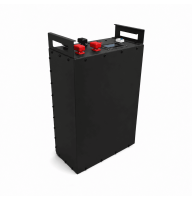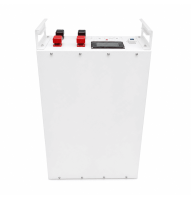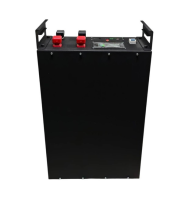














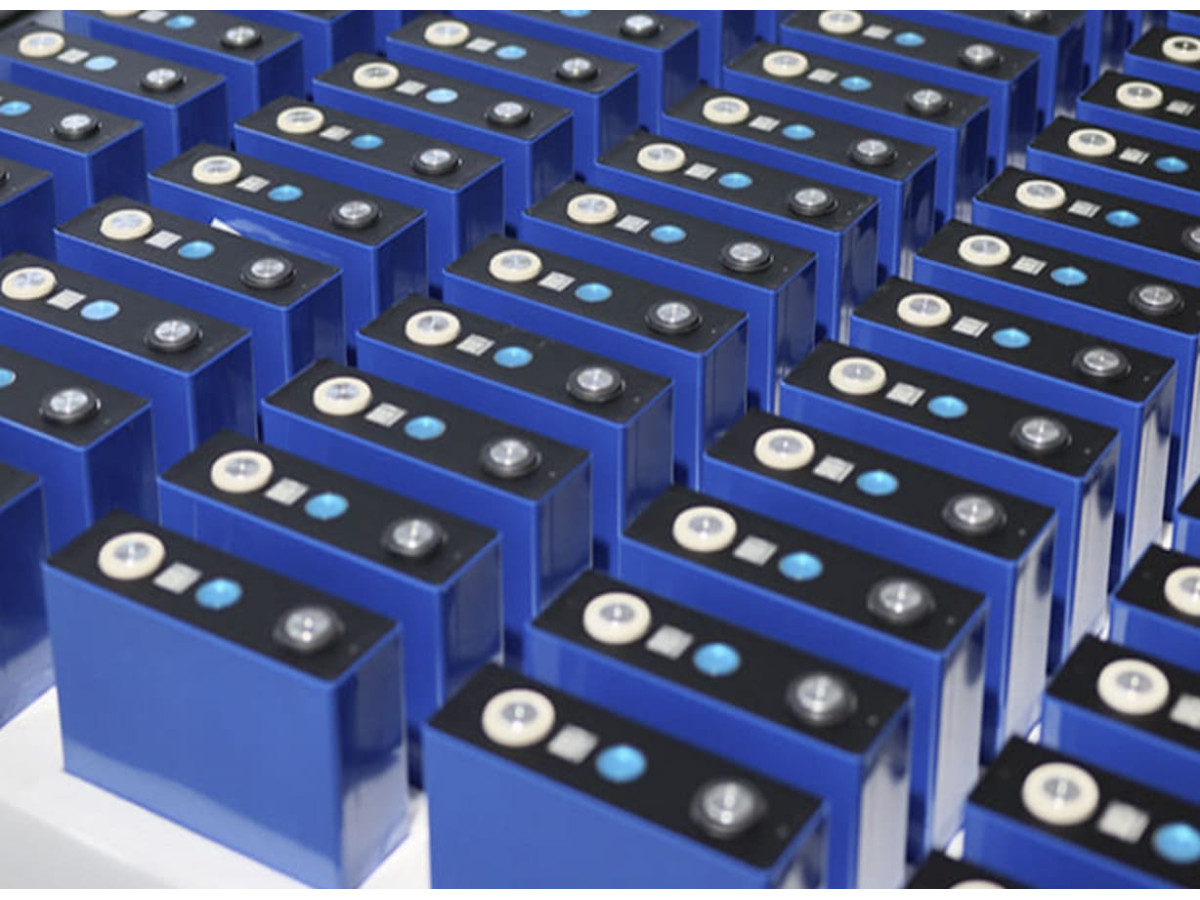
How to find out the weight of LiFePO4 by its capacity. If you have ever held a lithium iron phosphate battery in your hands, you know that it has a solid weight. And it is not accidental: the mass of LiFePO4 depends almost linearly on how much energy it is able to store.
This dependence is described by a parameter that engineers call “energy density”. For LiFePO4, it usually lies in the range of 90–150 Wh per kilogram.
Let's try to calculate using a real example - let's take the most popular option, a 12-volt battery with a capacity of 100 ampere-hours.
- First, let's convert ampere-hours to watt-hours: 100 Ah multiplied by 12 V - we get 1200 Wh.
- Now let's divide this figure by the average energy density. Let's take 120 Wh/kg as a guideline. 1200 / 120 = 10 kilograms.
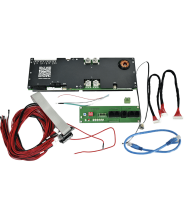
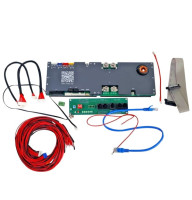
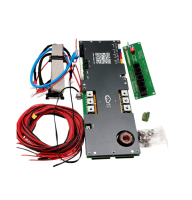
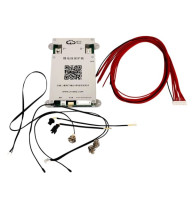
But this is, so to speak, the “dry” weight of the cells themselves — electrochemical cells that store energy. In real life, the finished battery will weigh more — by about 1–2 kilograms. Where does this addition come from? From the case that holds the entire structure, from the BMS board that protects the battery, from thick terminals and connecting rails.
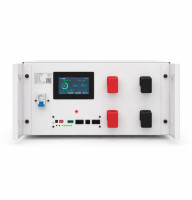
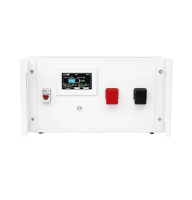
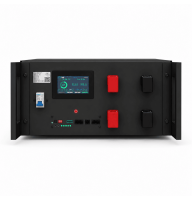
And if we are not talking about a bare battery, but about an entire charging station, then the weight will increase even more noticeably. After all, an inverter (to convert direct current to alternating current), a cooling system, a control panel and other components will be added there.
How does all this look against the background of competitors?
It is known that no technology is perfect, and LiFePO4 is no exception. Compared to lithium-ion batteries of the same capacity, iron-phosphate batteries are noticeably heavier. But when you put them next to lead-acid or gel batteries, the difference is striking: LiFePO4 is much lighter. So if you need a balance between weight, reliability and lifespan, iron phosphate technology is often the smartest compromise.