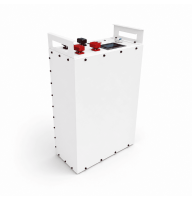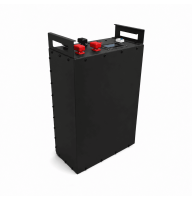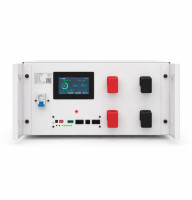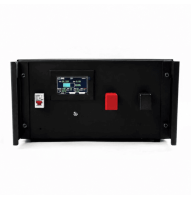














LiFePO4 vs Li-Ion: What's the difference and which is better
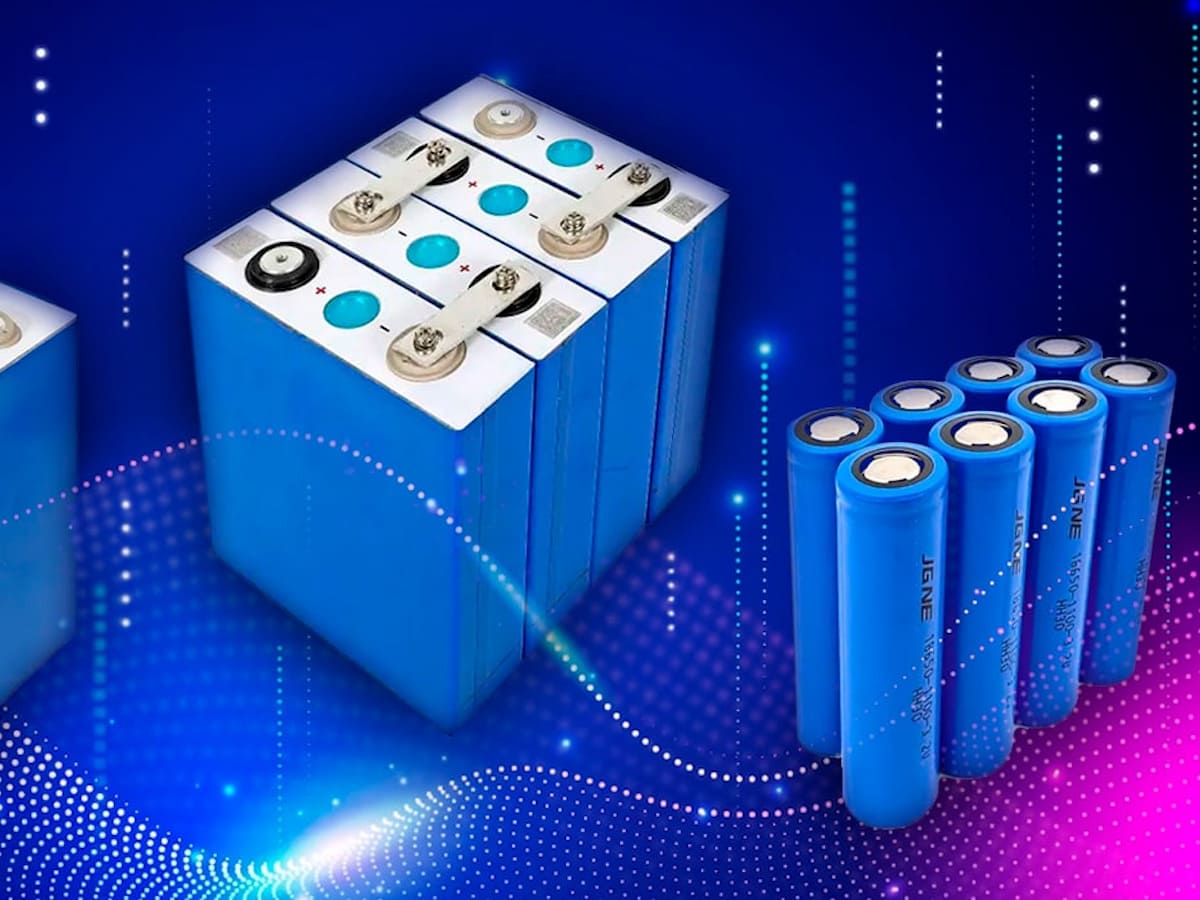
Although both types of batteries belong to the lithium family, their chemical composition is significantly different, which directly affects the performance characteristics. Iron-phosphate technology (LiFePO4) is considered more progressive due to a number of additional advantages.
How LiFePO4 is ahead of classic Li-Ion
- Durability. Iron-phosphate batteries usually withstand 2 times more charge-discharge cycles. Typical indicators: 3000–4000 cycles versus 1500–2000 for the best Li-Ion versions.
- Safety. LiFePO4 is much more stable at elevated temperatures. It does not emit harmful gases, does not form oxygen and better prevents emergency situations. Li-Ion is prone to overheating, so it requires complex protection systems with additional controllers.
- Stability of operation, especially in frost. All lithium batteries do not like sub-zero temperatures, but Li-Ion loses its charge faster in such conditions, and the voltage can noticeably sag. LiFePO4 demonstrates higher overall stability, a wider temperature range and behaves better both during high loads and in heat or frost.
- Environmental friendliness. LiFePO4 does not contain cadmium and cobalt - substances that require special disposal and harm the environment. The composition of Li-Ion in this sense is much less "green".
Where Li-Ion still wins
- Compactness and weight. With the same capacity, Li-Ion has a higher energy density, so they are smaller and lighter.
- Price. Li-Ion charging stations are usually cheaper than LiFePO4. This is probably due to the relative novelty of iron-phosphate technology, because the total cost of production of Li-Ion is even higher.
The key advantages of LiFePO4 in one line: environmental friendliness, durability and wide operating temperature range.