














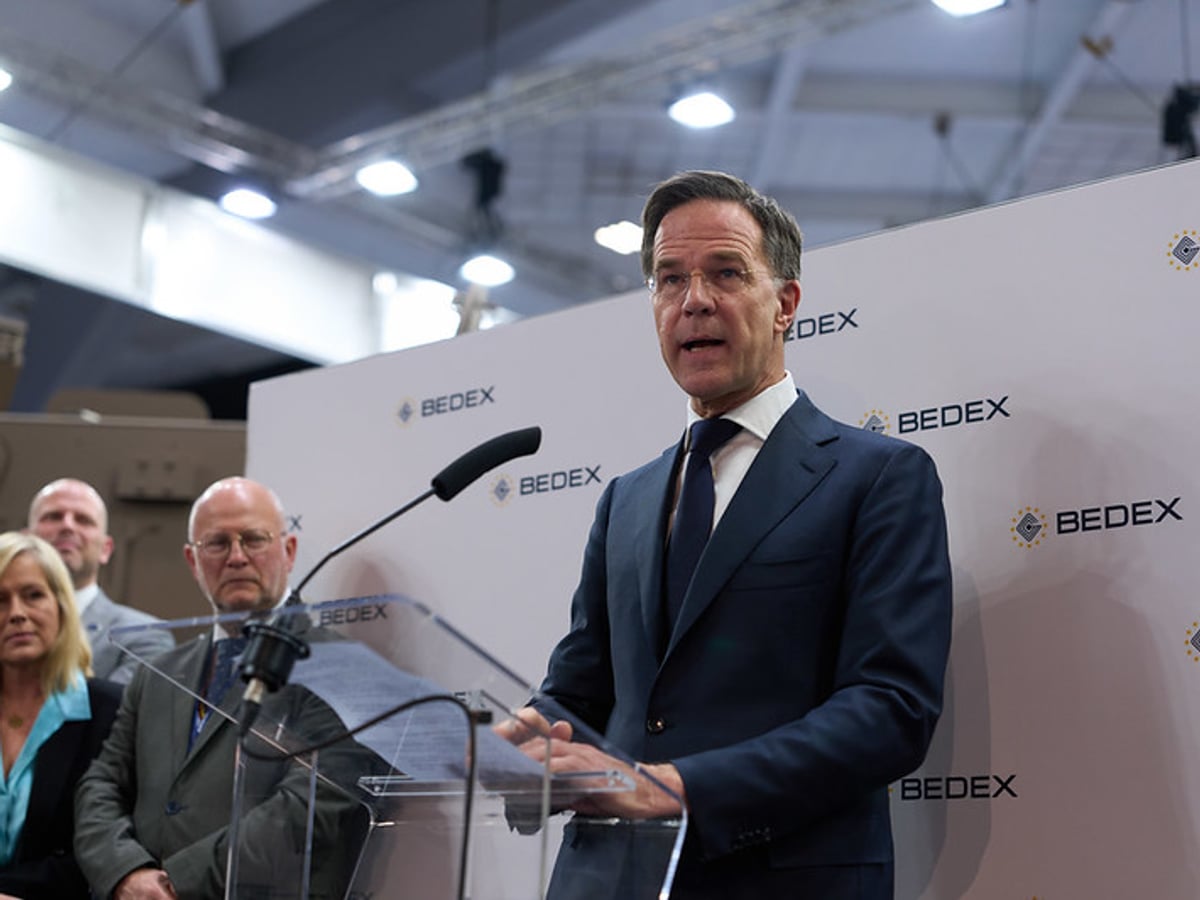
In the event of a potential clash with NATO, Russia is likely to make energy infrastructure one of its priority targets. The Alliance countries are already stepping up preparations for such a scenario. This is stated in the annual report of NATO Secretary General Mark Rutte.
The document calls the Russian Federation “the most serious and direct threat” to security, peace and stability in the Euro-Atlantic area. In addition, it is noted that Moscow continues to test the Alliance for strength - through airspace violations, sabotage and cyberattacks.
- NATO members take into account the experience of the war in Ukraine and increase training and coordination to protect critical infrastructure, including energy.
The report also emphasizes the need for long-term support for Ukraine. The Alliance considers it important to continue to help Ukraine defend itself now and at the same time strengthen its ability to deter potential aggression in the future.
In addition, NATO is working to integrate the Ukrainian defense-industrial complex into the Allied system, in particular by attracting investment and expanding cooperation.
- According to the report, in 2025, European NATO member states, together with Canada, spent $574 billion on defense — 20% more than a year earlier. Only the Czech Republic and Hungary reduced spending.
At the same time, the United States remains the largest financial donor to the Alliance: it accounts for more than half of NATO's total GDP and about 60% of total defense spending.
Recall that Mark Rutte previously announced that the allies will allocate $15 billion to finance the PURL program in 2026. This program, launched in 2025 by the United States and NATO, allows for the accelerated supply of critical American-made weapons and equipment to Ukraine.